
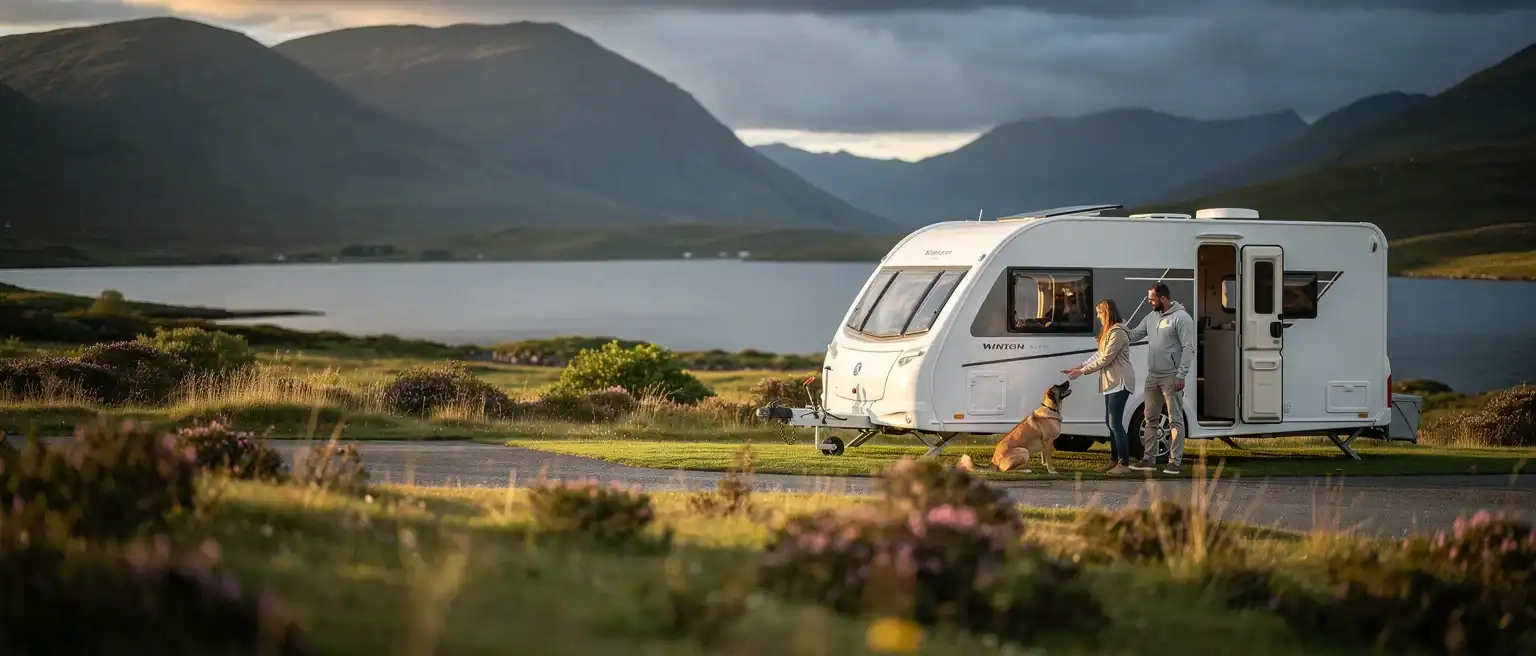
Myth: Any Caravan Park That Lists Dogs Is Truly Dog Friendly
A lot of parks will tick the “dogs accepted” box, but that does not tell you much about what actually happens when you arrive with a muddy spaniel and a bag of kibble. The fine print is where you find the real picture. Some parks limit dogs to certain plots, charge a daily fee on top of your booking, or restrict breeds without spelling that out clearly on the listing page. Others will accept one small dog per booking but quietly discourage anything bigger. Reading the terms before you pay is not paranoia, it is the practical thing to do, because a last-minute surprise at check-in can derail the whole trip.
A genuinely dog-welcoming park treats your pet as a normal part of the booking, not a reluctant exception they have to manage. Look for places that mention dogs in their main listing copy, not buried in a footnotes section. Check whether they provide practical things like a hose-down area, a dedicated dog walk nearby, or clear guidance on where your dog can and cannot go on site. If the listing spends more time listing restrictions than telling you what your dog can actually enjoy, that is a reasonable signal about the attitude behind the policy. Dog friendly caravan holidays in Scotland can give you a useful comparison of how parks in one region handle this, and the same checklist applies anywhere across England, Wales, or Northern Ireland. The parks worth booking are the ones where welcoming dogs is simply how they operate, not something they tolerate.
Myth: A Small Pet Deposit Means No Extra Costs
A refundable pet deposit is usually the first figure owners see, and it’s easy to treat it as the whole story. In reality, most caravan parks stack several separate charges on top. A cleaning surcharge of £25 to £75 per stay is common, and some parks charge this per pet rather than per booking. Breed restrictions add another layer. Larger or stronger breeds, think Rottweilers, Staffordshire Bull Terriers, or German Shepherds, are refused outright at a surprising number of parks, and you’ll only find that out when you phone to confirm, not when you book online. If your dog falls outside the accepted list, you lose your deposit or face a cancellation fee, neither of which is a small amount.
Beyond deposits and cleaning fees, watch for charges that appear in the small print rather than the headline price. Some parks limit you to one dog and charge a nightly rate for a second, anywhere from £5 to £15 extra per night across a week’s stay. Others restrict which pitches or caravans accept dogs, meaning the sea-view spot you chose may not actually be available to you once a pet is added to the booking. The honest approach is to phone ahead and ask for every pet-related charge in writing before you hand over any money. If you’re looking for accommodation that’s upfront about what it costs and what it allows, our guide to dog friendly caravan holidays in Scotland covers what to ask and what to watch for, so you can compare options without surprises waiting on arrival day.
Myth: Your Dog Will Just Settle In
Most dogs do not walk into a caravan and immediately relax. The unfamiliar smells, the creaking of the van in the wind, the sound of neighbouring pitches, the strange layout at night, all of it takes adjustment. Some dogs manage in a day or two. Others take the full trip to find their feet, and a small number never quite get comfortable if their owner has not done any groundwork beforehand. The dogs who settle fastest are usually the ones whose owners put in a little preparation before the wheels even started turning.
If your dog uses a crate at home, bring it. Familiar bedding carries familiar scent, and that matters far more than you might expect when everything else around your dog has changed. Spend a couple of evenings with the crate or bed positioned somewhere new in your house before you go, so your dog already knows that their space moves with them. Dogs who are noise sensitive need a bit more thought, because caravan parks are rarely quiet, especially on a Friday evening when fresh arrivals are setting up. A white noise app on your phone, left running quietly near their sleeping area, can take the edge off. On the first night, keep the routine as close to home as you can, same walk time, same feeding time, same settling cue if you use one. Consistency tells your dog that the rules have not changed even if the postcode has. You can read more practical advice like this over at our guide to dog friendly caravan holidays in Scotland, which covers first-trip tips in more detail.
Myth: The Beach Is Always Open to Dogs
Booking a coastal caravan site and assuming your dog can run the beach every day is one of the most common planning mistakes pet owners make. Most UK beaches operate seasonal restrictions, typically running from late May through to late September, that ban dogs from designated swimming areas during daylight hours. Weston-super-Mare, for example, enforces dog bans across several of its most popular beach sections from Easter through to the end of October. The rules vary not just by resort but sometimes by individual stretch of sand, so the beach five minutes from your caravan might be open while the one in front of the park is not.
Lead rules add another layer that catches people off guard. Even on beaches where dogs are permitted year-round, many councils require dogs to stay on a lead in busy areas, near beach cafes, or in dune systems that are protected for wildlife or erosion reasons. The practical advice is simple but easy to skip when you are caught up in booking excitement. Check the local council website for the specific beach nearest your caravan park before you travel, look for the beach’s entry on the Marine Conservation Society’s Good Beach Guide, and search the site name alongside “dog restrictions” to catch any park-specific rules the council listing might not mention. If you are planning a dog friendly caravan holiday in Scotland, the rules there can differ quite a bit from English beach bylaws, so it is worth treating each destination as a fresh check rather than assuming last year’s rules still apply.
Myth: You Can Wing the Packing List
Most people underestimate how much kit a dog actually needs on a caravan holiday, and they only realise it when they’re 200 miles from home and missing something important. Health documents are the first thing to sort before you even think about bedding or bowls. If your dog is on regular medication, pack more than you think you need, because missing a dose on holiday is a stressful situation that most caravan parks cannot help you fix quickly. A signed letter from your vet listing current medications, vaccination records, and any known conditions takes five minutes to prepare and can save you a very long afternoon.
Caravan parks almost never supply anything dog-specific, so treat the van as a blank slate when you’re packing. Bring your dog’s usual food and stick to their normal feeding routine as closely as possible, because a sudden change in both food and environment at the same time is a reliable recipe for an upset stomach on day one. A familiar bed or blanket, a collapsible water bowl for walks, poo bags, a long lead for open ground, and a towel for muddy paws are all things that feel obvious until you’ve forgotten one of them. If you’re new to caravan trips with a dog and want a broader picture of what to expect, our guide to dog friendly caravan holidays in Scotland covers the practical side in more detail. The short version is this, pack like the park will have nothing waiting for you, because it won’t.
Myth: Cheap Means Bad, Expensive Means Dog Friendly
Price is probably the worst guide you have when it comes to dog-friendly caravan holidays in the UK. A park that charges top rates might still confine dogs to a single patch of grass, post a list of restrictions on the door, and make you feel like you’ve done something wrong by showing up with a Labrador. Meanwhile, a mid-range site tucked away on a quiet stretch of coastline might offer a proper welcome, no weight limits, and an owner who genuinely means it when they say dogs are allowed. The fee you pay tells you almost nothing about the attitude waiting on the other side of the barrier.
The same works the other way around. Cheap does not mean cramped, dirty, or dog-unfriendly. Some of the most relaxed, genuinely welcoming parks in England, Scotland, and Wales are affordable because they are smaller or less well-marketed, not because they cut corners on how they treat guests. What actually matters is reading the small print before you book, checking what the reviews say about travelling with dogs specifically, and looking for places that openly welcome dogs rather than treating it as a reluctant exception. A park that lists a sensible set of house rules around pets, rather than a wall of restrictions, is usually a better sign than a glossy website. If you want a useful starting point for finding places that are honest about what they offer, our holiday home listings pull together options across the UK where dogs are a genuine part of the welcome, not an afterthought buried in the terms and conditions.
What a Good Dog Friendly Caravan Holiday Actually Looks Like
When a booking genuinely works for dogs, you feel it from the moment you arrive. There is no awkward conversation at check-in, no list of restrictions pinned to the door, and no sense that your dog is being tolerated rather than welcomed. The space is clean, the outdoor area gives your dog room to move, and the whole setup has been thought through by people who actually travel with pets rather than people who added a dog tick-box to a form. That difference matters more than most guests expect before they experience it.
Practically speaking, a good dog friendly caravan holiday means your dog sleeps where you sleep, walks when you walk, and the surrounding area offers real exercise rather than a narrow strip of grass near the car park. One guest who stayed at a caravan on the Solway Coast described it simply, the van was immaculate, everything they needed was in it, and they never had to contact the owners with a single problem. That kind of stay is what the right booking delivers, and it is what separates genuine dog-welcome accommodation from places that say yes on paper but make you feel guilty for bringing a muddy spaniel through the door. If you want a broader sense of what to look for across different parts of the UK, the dog friendly caravan holidays in Scotland guide covers the practical questions worth asking before you commit to any booking. The short version is this, the right place treats your dog as part of the group, not as a deposit risk.

Comment (0)